Beneath the floorboard, we found a metal box.
Inside were copies of every letter Dad sent me through Major Hayes, medical records, the foundation charter, childhood photographs, and a notebook documenting the final year of his life.
One entry read:
March 4: Elaine said Rebecca did not call. Phone log shows blocked number. Asked her why. She said accidental.
Another read:
June 20: Confronted Elaine about cabinet. She said letters were upsetting. Told her this must stop.
The final entry was written shakily.
Rebecca will think she failed me.
She did not.
I closed the notebook.
For twelve years, my mother had controlled the story because Dad and I believed love should remain private.
She spoke publicly.
We wrote quietly.
In Willow Creek, the louder version became truth.
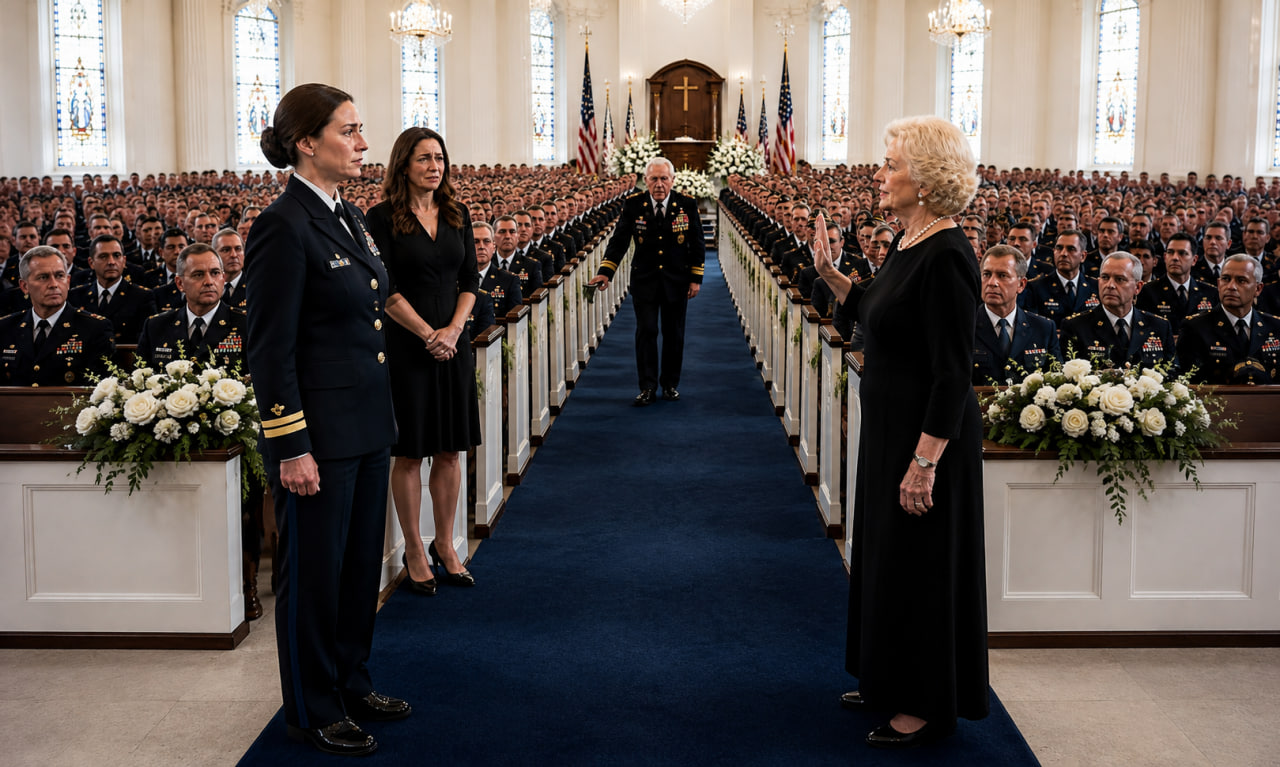
The memorial changed that.
Not for everyone.
Some still defended my mother. Some said grief caused her choices. Some said airing family matters in church was wrong.
But they had not objected when the lie was aired publicly for years.
Part 5: The Foundation
The foundation began operating the following spring.
Anna joined the board. Major Hayes served as vice chair. Pastor Collins helped create scholarship partnerships with local schools.
Our first awards went to four students: one entering nursing, one enlisting in the Air Force, one studying wildfire management, and one quiet girl from Willow Creek whose father had died when she was eleven.
After the ceremony, she asked why we had chosen her.
“Because you earned the opportunity,” I said.
“People keep saying I’m brave.”
“Are you?”
She thought about it.
“I’m scared.”
“Those things can exist together.”
Dad taught me that.
I passed it on.
Mom did not attend.
She sent letters accusing the foundation of using Dad’s name to shame her. I did not respond.
Months later, she called.
“I want my family back,” she said.
The sentence could have opened a door.
Then she added, “You need to correct what William said about me.”
“What part?”
“That I intercepted the letters.”
“You did.”
“I was protecting your father.”
“From knowing his daughter loved him?”
Nothing had changed.
“I won’t retract the truth,” I said.
“Then you’ve chosen the town’s admiration over your mother.”
“No. I chose not to lie.”
She hung up.
The old version of me would have called back. I would have explained until my voice failed. I would have offered some smaller falsehood just to keep peace.
This time, I did not.
Dad’s warning stayed with me.
Do not let her fear become your prison.
Part 6: The Letter That Came Later
A year passed before Mom truly apologized.
The first letters blamed illness, grief, and Major Hayes.
I answered none of them.
Then, eighteen months after the memorial, a fourth letter arrived.
Rebecca,
I hid your letters. I silenced calls. I told people you chose not to come home.
I did those things because every time your father spoke proudly of you, I heard proof that he had helped you leave me.
I wanted him to need me more than he missed you. I wanted Anna close, so I made your independence sound like betrayal.
When you were injured, I believed telling people would make them forgive you before I was ready to.
None of that was your fault.
I do not know how to repair what I did.
I am sorry.
There was no demand at the end.
No request that I call.
No accusation disguised as grief.
I read it several times, then placed it beside Dad’s notebook.
I did not forgive her immediately.
But for the first time, she had described the truth instead of defending herself from it.
We began with letters.
That felt right.
Months later, we spoke by phone. Ten minutes at first. Then twenty.
When she slipped into blame, I ended the call.