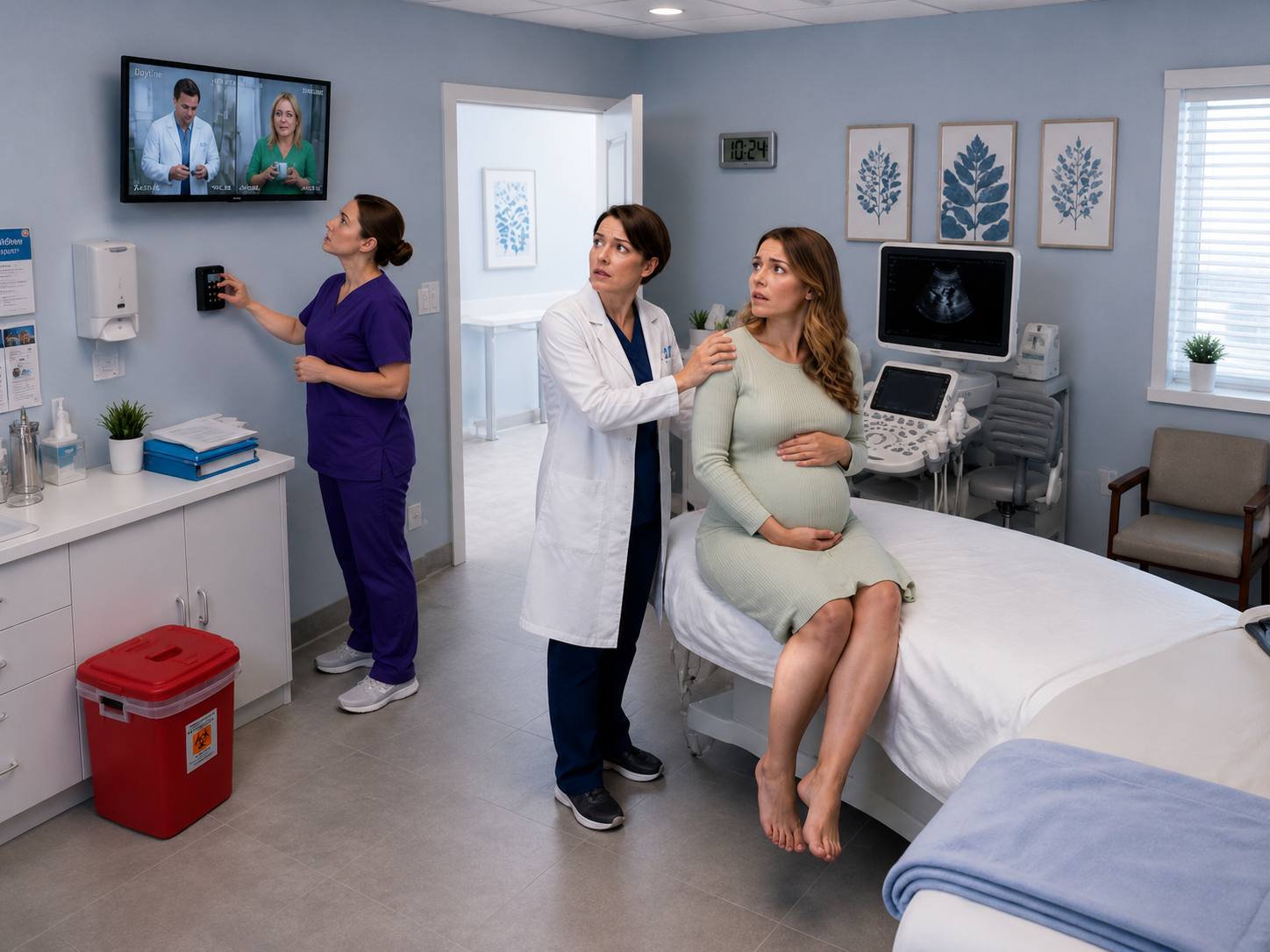
Before I left the hospital, Dr. Reed sat beside my bed with my updated care plan and patiently answered every question I asked, even when I repeated the same concern twice. She never rushed me or treated my uncertainty like an inconvenience.
“You do not have to earn the right to know what happens to your body.”
After my discharge, I moved into my parents’ home and slowly began rebuilding a life that Aaron had carefully dismantled piece by piece. I replaced identification documents, opened bank accounts in my own name, changed every password, and established firm boundaries that prevented him from contacting me directly or participating in any part of my medical care.
Months later, after my son was safely born following an uncomplicated delivery, I drove him to his first follow-up appointment in my father’s old SUV. My hands shook slightly as I held the steering wheel, but the feeling disappeared the farther I drove because the keys resting beside me belonged to no one except me.
When we returned home, I carried my son inside, unlocked the front door myself, and hung those keys on a small hook beside the entrance. Then I poured tea into an ordinary blue mug, left the silver cup sealed with the rest of the evidence, and sat quietly beside the window holding my son, finally understanding that real protection had never been about surrendering control.
It had always begun the moment I took my life back.